Architectural design companies embody a complete spectrum of planning, designing, and overseeing the development of buildings and other physical structures. These companies integrate aesthetics, performance, safety, sustainability, and compliance with stringent constructing codes and rules to create environments that not solely satisfy regulatory mandates but additionally improve the quality of life for occupants and maximize property worth. Engaging skilled architectural design companies is crucial for remodeling a shopper's vision right into a structurally sound, visually appealing, and environment friendly constructed environment.

Understanding the Scope and Impact of Architectural Design Services
The domain of architectural design extends far beyond mere drafting or conceptual sketches. It involves a meticulous process that bridges creativity with technical precision, ensuring that each design aspect is purposeful and legally compliant. High-quality architectural design providers present numerous benefits, from optimizing house utilization to ensuring security, bettering vitality efficiency, and enhancing long-term funding potential.
Comprehensive Planning and Feasibility Evaluation
Before any pen touches paper, architectural design begins with a radical feasibility study. This involves an in-depth evaluation of site circumstances, native zoning ordinances, environmental constraints, and shopper requirements. Conducting early-stage assessments reduces the chance of costly revisions later, aligning the project with the proprietor's goals and avoiding legal pitfalls.
Effective planning answers crucial questions: What is the most effective orientation to maximize pure light? Are there flood dangers or soil concerns? What municipal restrictions or setbacks apply? Clear solutions ensure the design course of is rooted in reality, boosting the probability of swift permit approvals and lowering total project prices.
Creative Problem Solving and Custom Solutions
Architectural design providers translate complicated client calls for and website challenges into progressive options. This inventive problem solving balances aesthetics with functional needs—such as optimizing site visitors move within a building, addressing accessibility requirements, or integrating cutting-edge technology.
For homeowners or business builders, this customization means areas that actually serve their intended purpose. It mitigates frequent ache factors like insufficient storage, inadequate lighting, or poor mechanical system layouts that may detract from day by day use and improve maintenance expenses.
Regulatory Compliance and Code Expertise
One of the highest-value components of architectural design is ensuring strict adherence to all applicable building codes, ADA requirements, fireplace safety rules, and vitality effectivity mandates like these in the International Energy Conservation Code (IECC). Non-compliance can lead to fines, project delays, and even unsafe residing circumstances.
Architects leverage their data of evolving codes to preemptively design buildings that not solely meet current laws however are flexible enough to adapt to future adjustments. This foresight protects shoppers from risks associated with retrofitting or authorized legal responsibility, whereas facilitating clean inspections and approvals.
Key Phases and Deliverables in Architectural Design Services
Architectural design providers follow a structured but versatile course of comprised of a number of outlined phases. Each section builds upon the earlier, with distinct deliverables that serve as roadmaps for building teams and stakeholders.
Conceptual and Schematic Design
This initial stage captures the essence of the project by way of sketches, 3D fashions, and massing studies. The goal is to explore broad design ideas and spatial relationships while aligning with consumer desires and budgetary expectations.
The benefit of investing robustly on this section is the early detection of potential issues, permitting shoppers to make informed choices earlier than committing to pricey details. It establishes a clear imaginative and prescient that guides all subsequent work, lowering revisions and making certain stakeholders share a unified understanding of the project's trajectory.
Design Development
Once the concept is permitted, design development refines the project scope. Detailed floor plans, elevations, and sections illustrate constructing methods, supplies, and structural frameworks. This part integrates mechanical, electrical, and plumbing (MEP) considerations and begins coordination with consultants.
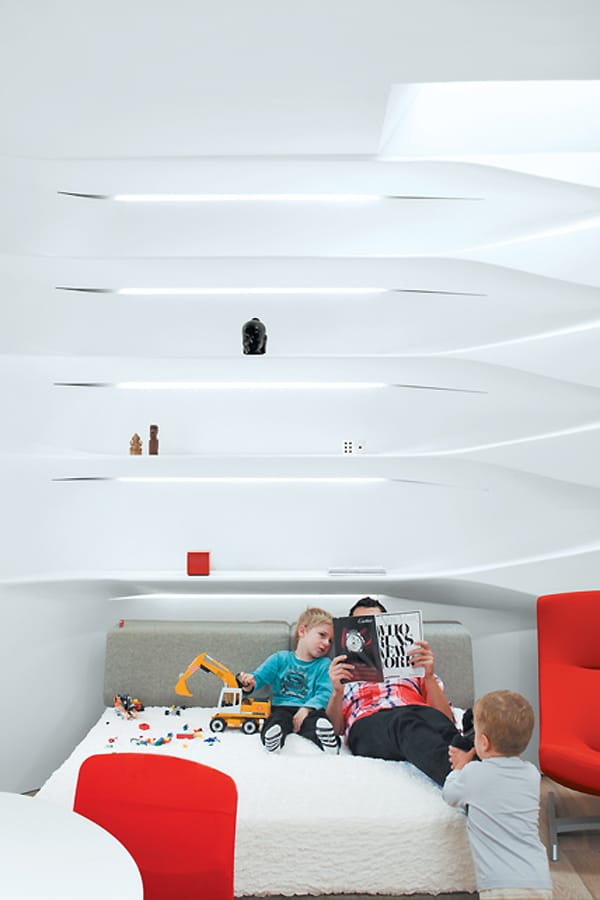
Engaging in exact design development mitigates coordination conflicts during construction that could result in delays or cost overruns. It also enhances the building’s performance and resilience by carefully selecting materials and detailing structural options aligned with project objectives.
Construction Documentation
The creation of development documents marks a crucial milestone—detailed drawings and specifications are ready for bidding, permit submission, and actual development. These paperwork serve as authorized blueprints for builders and subcontractors.
High-quality development documentation reduces ambiguity, ensures correct price estimation, and streamlines communication amongst all events. It instantly impacts project timelines and high quality while safeguarding towards disputes that come up from unclear instructions or flawed plans.
Construction Administration and Site Oversight
Architectural design services often embrace ongoing assist in the course of the constructing phase. Regular website visits, contractor coordination, and evaluation of shop drawings uphold design intent and compliance with specifications.
This phase provides real-time downside solving and high quality management, which prevents minor issues from escalating into vital problems. It preserves the investment by ensuring the constructed setting matches its envisioned standards and performs optimally over time.
The Role of Sustainable and Resilient Design in Modern Architectural Services
Environmental stewardship and resilience are no longer optional in architectural design. Increasing consciousness and regulatory pressure drive architects to prioritize sustainability, energy efficiency, and disaster-resistant options to guard each funding and occupant well-being.
Energy-Efficient Building Strategies
Architectural design providers incorporate passive design rules similar to optimum constructing orientation, natural ventilation, shading gadgets, and thermal mass to minimize vitality consumption. These methods scale back utility costs, enhance occupant comfort, and qualify initiatives for green building certifications like LEED or ENERGY STAR.
Energy-efficient design addresses ache points similar to excessive heating and cooling prices and indoor environmental complaints. It additionally anticipates future power laws, preserving the asset’s competitive edge and decreasing long-term operational risks.
Use of Environmentally Responsible Materials
Selection of low-impact, non-toxic, and regionally sourced materials is critical for sustainability. Architects evaluate life-cycle prices, durability, and embodied carbon to suggest options that steadiness upfront expenses with environmental and health benefits.
Integrating environmentally accountable supplies improves indoor air quality and reduces the building’s ecological footprint. It is a beautiful function for buyers or tenants who increasingly prioritize green credentials, thereby enhancing marketability.
Resilience and Disaster Preparedness in Design
Architectural companies right now handle the rising frequency of extreme weather occasions and natural disasters by designing resilient structures. Strategies embrace elevated foundations, bolstered framing, impact-resistant windows, and adaptable infrastructure.
These features shield property investments and reduce recovery occasions post-disaster, directly reducing insurance coverage premiums and safeguarding occupant security. Resilience also supports neighborhood sustainability by guaranteeing continuity of important services.
Technological Integration and Innovation in Architectural Design
Modern architectural design providers harness cutting-edge know-how to optimize design accuracy, stakeholder collaboration, and construction effectivity, delivering superior outcomes and threat management.
Building Information Modeling (BIM)
BIM is a transformative tool that allows architects to create clever 3D models embedding physical and practical characteristics of a constructing. This facilitates multi-disciplinary coordination, conflict detection, and accurate amount take-offs.
Using BIM reduces expensive on-site errors and schedule delays, improving cost predictability. It enables holistic project visualization for purchasers and contractors, enhancing transparency and decision-making throughout the project lifecycle.
Virtual Reality (VR) and Augmented Reality (AR) Visualization
VR and AR technologies empower purchasers to just about experience their house throughout design development. This immersive engagement clarifies design intent and uncovers person expertise points that conventional drawings may miss.
This stage of interactivity helps align expectations, prevents miscommunication, and accelerates approval processes, finally delivering spaces higher suited to clients’ existence and operational wants.
Prefabrication and Modular Design Integration
Architectural design providers increasingly think about prefabricated parts https://gravatar.com/princessthoroughlydfe04dc0b5 and modular methods to hurry up development and improve quality management. Designs are optimized for off-site manufacturing, lowering waste and labor demands on website.
The benefits manifest in reduced development timelines, lower labor prices, and fewer disruption for occupants or neighbors. Modular integration additionally improves building precision and provides flexibility for future expansions or modifications.
reforma jardineiroClient-Centered Benefits and Troubleshooting Common Architectural Challenges
Architectural design providers resolve a myriad of challenges faced by owners and builders, from spatial inefficiencies to finances overruns and regulatory hurdles. Understanding these advantages contextualizes the worth architects deliver past the design itself.
Maximizing Property Value by way of Intelligent Design
Architectural providers enhance market appeal by creating useful, engaging areas that stand out in competitive real property markets. Thoughtful design will increase usable square footage, incorporates fascinating amenities, and applies present architectural trends balanced with timeless attraction.
Clients notice elevated resale worth and broader market interest because of designs that anticipate buyer preferences and future adaptability. Avoiding over-customization that limits resale choices is a nuanced side well-managed by seasoned architects.
Cost Control and Lifecycle Savings
By integrating reforma organizada price estimation early and deciding on durable materials and techniques, architectural designers prevent budget creep and allow better monetary planning. Long-term cost savings arise from power effectivity, lowered upkeep needs, and simpler renovations.
Architectural oversight minimizes change orders and eliminates hidden prices usually uncovered during construction. Lifecycle cost analysis is pivotal to making informed decisions, delivering value nicely past preliminary expenditures.
Improving Quality of Life and Occupant Well-Being
Architectural design companies concentrate on improving pure gentle, acoustics, indoor air quality, and ergonomics to create healthier, extra comfortable environments. Biophilic design elements and well-thought-out spatial flow cut back stress and improve productivity in each residential and business contexts.
These enhancements alleviate widespread complaints associated to noise, claustrophobia, and poor ventilation, contributing to occupant satisfaction and well-being. Such benefits translate into larger tenant retention and user engagement.
Overcoming Regulatory and Technical Hurdles
Architects serve as important intermediaries between clients and regulatory authorities. Their experience expedites allow acquisition by preparing accurate submissions and incorporating needed code requirements upfront.

Moreover, architects resolve technical challenges similar to structural complexities, environmental mitigation, and infrastructure integration, permitting initiatives to proceed without interruption or expensive redesigns.
Summary and Practical Next Steps for Engaging Architectural Design Services
Architectural design providers characterize a important funding in creating buildings which might be safe, environment friendly, beautiful, and financially sound. Through complete planning, code compliance, sustainability integration, technological innovation, and client-focused downside fixing, architectural professionals rework summary ideas into tangible, high-value assets.
To begin benefiting from architectural design experience, think about these sensible steps:
- Define your targets and priorities clearly—whether rising property worth, enhancing vitality effectivity, or enhancing useful layout. Consult with experienced architects early to leverage feasibility assessments and avoid expensive missteps. Request detailed scopes and phases of architectural service to understand deliverables and align expectations. Embrace sustainable and resilient design principles to future-proof your investment and decrease operating prices. Utilize technology-enabled services similar to BIM and VR for enhanced communication and precision. Engage architects actively throughout construction to protect design quality and address unexpected issues promptly.
Ultimately, partnering with skilled architectural design professionals ensures your constructing project transcends fundamental building, delivering enduring worth, security, and delight for all stakeholders.