Home automation represents a significant advancement in residential technology, seamlessly integrating methods to reinforce consolation, security, power efficiency, and property worth. By embedding clever control over lighting, HVAC, security cameras, and more, home automation transforms odd residences into dynamic living environments tailor-made to the homeowner's way of life. Understanding its complete advantages and underlying technical frameworks requires a thorough exploration of its elements, design methodologies, and set up requirements aligned with the most recent building codes and systemic protocols.
Foundations of Home Automation Systems
At its core, house automation entails the centralized control of household functions utilizing interconnected devices and software program, crucially improving operational effectivity and person convenience. An effective system must blend hardware, communication networks, and consumer interfaces to create a cohesive, dependable infrastructure.
Core Components and Architecture
Home automation methods primarily encompass controllers, sensors, actuators, and communication protocols. The controller – often a devoted hub or smart house gateway – processes enter from sensors (motion detectors, temperature sensors, light sensors) and triggers actuators (smart lights, thermostats, motorized blinds) accordingly. This structure establishes closed-loop automation that adapts dynamically to environmental changes or user commands.
Choosing the right communication protocol is critical for operational reliability and scalability. Common standards embody Zigbee, Z-Wave, Wi-Fi, and Bluetooth Low Energy (BLE). Each has distinct advantages: Zigbee and Z-Wave operate on mesh networks, enhancing protection and redundancy, whereas Wi-Fi offers high knowledge throughput suited for video and voice-based interactions.
Integration with Building Infrastructure
Effective automation calls for considerate integration with existing electrical and mechanical methods. Compliance with National Electrical Code (NEC) and local amendments is crucial to make sure security and code adherence. Coordination with HVAC controls, lighting circuits, reforma limpa and safety hardware requires professional-level planning, often involving structured low-voltage wiring systems or power-over-Ethernet (PoE) solutions to optimize installation high quality and future-proofing.
Key Benefits of Home Automation for Homeowners
Automating residential environments presents quite a few benefits that tackle widespread pain points such as vitality waste, lack of safety, and way of life inefficiency. These tangible benefits justify preliminary funding costs and contribute positively to long-term property valuation.
Energy Management and Cost Reduction
Energy consumption constitutes a main concern for homeowners. Home automation enables precise regulation of heating, ventilation, air con (HVAC), and lighting in accordance with occupancy or ambient situations, minimizing wasted power. Smart thermostats study occupant schedules and preferences, enforcing temperature setbacks throughout absences, thus reducing utility bills noticeably over time.

Moreover, integration with renewable vitality sources, such as residential solar photovoltaic (PV) techniques, may be enhanced by way of automation platforms that optimize in-home vitality consumption or storage, further lowering dependence on grid electrical energy and enhancing sustainability credentials—an increasingly enticing feature for prospective consumers.
Security Enhancement and Peace of Mind
One of probably the most compelling reasons for automation adoption lies in superior security capabilities. Smart locks, safety cameras, motion detectors, and alarm techniques managed via centralized interfaces provide real-time monitoring and response capabilities. Remote management features allow homeowners to simulate occupancy, grant access to guests or service personnel securely, and obtain prompt alerts about suspicious activity.
Incorporating automation in safety increases residence resilience in opposition to break-ins and emergencies. Concurrent integration with hearth, carbon monoxide, and flood sensors alerts the house owner and emergency companies immediately, considerably mitigating harm and risk to life.
Improved Comfort and Lifestyle Convenience
Automated systems remove mundane duties from daily routines by enabling voice instructions, preset scenes for lighting and climate, and automated curtain/blind management based on time or sunlight intensity. These functionalities create a seamless dwelling experience, adapting environments optimally without guide intervention.
For aging reformas curitiba populations or individuals with disabilities, home automation offers crucial support via accessible controls, distant assistance choices, and environmental adjustments tailored to well being needs, promoting autonomous dwelling and decreasing caregiver burden.
Design Considerations and Planning for Home Automation
Smart home implementation is best when approached as a holistic design project built-in into architectural planning. Early-stage involvement of automation specialists maximizes system effectiveness and minimizes pricey retrofits.
Assessment of User Needs and Lifestyle Patterns
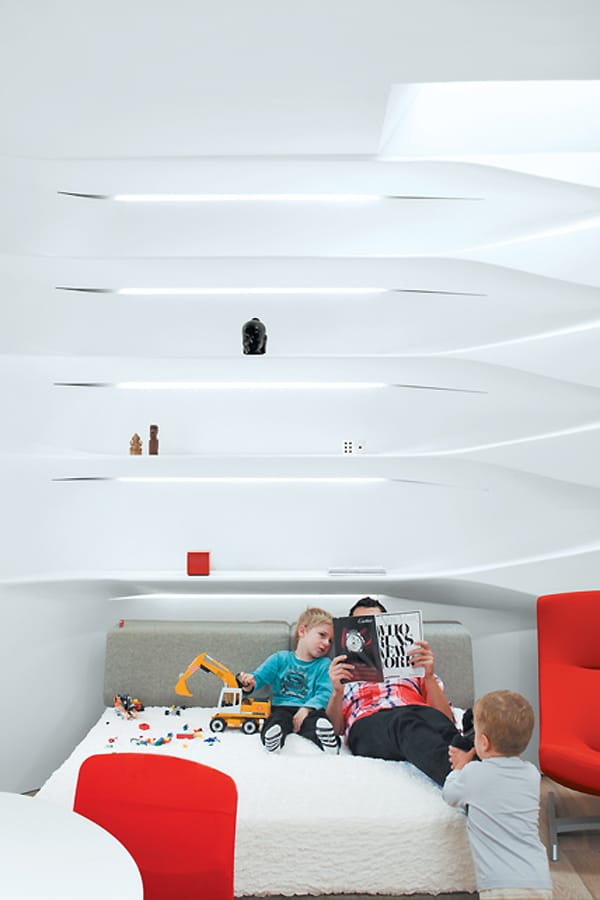
Accurate identification of day by reforma preventiva day routines, family member preferences, and specific pain factors informs system customization. For example, households with young children could emphasize security and monitoring, whereas environmentally aware households prioritize energy management.
Consultations ought to explore desired management interfaces—wall panels, mobile apps, voice assistants—and essential features similar to multi-zone HVAC management or integrated entertainment techniques, fostering a functional blueprint aligned with house owner expectations.
Scalability and Future-Proofing
Rapid technology evolution makes adaptability a cornerstone of clever residence design. Selection of automation platforms with open standards and interoperability ensures inclusion of latest gadgets and features with out full system substitute. Modular wiring schemes, ample conduit provisions, and spare community capability are essential infrastructure concerns.
Compliance and Safety Standards
All automation installations should conform to applicable electrical, fire, and building codes. NEC guidelines govern low-voltage wiring methods, grounding practices, and surge protection measures critical for system longevity and personnel safety. Integration with on-site fireplace alarm and emergency communication methods usually requires coordination with local authorities and adherence to UL-certified gear requirements.
Installation Strategies and Technical Implementation
The success of home automation relies upon closely on high quality set up practices and precise configuration of devices and networks, making certain reliability and user satisfaction.
Wiring and Network Infrastructure
Deciding between wired, wi-fi, or hybrid system architectures is determined by the building’s format, sign interference concerns, and future enlargement goals. Structured wiring cages management panels and hubs distribution factors, contributing to network resilience. Low-voltage cables must be segregated from energy traces to avoid electromagnetic interference, following ANSI/TIA requirements.
Device Configuration and Programming
Automated behaviors hinge on well-defined logic programming, typically achieved via scene creation, geofencing, or sensor-triggered events. Precision programming reduces false alarms or unintended activations. Professional installers usually use diagnostic tools and commissioning checklists to validate appropriate operation and compliance with manufacturer specifications.
Testing, Documentation, and User Training
Comprehensive system testing contains functionality verification, response time assessments, and fail-safe mechanism checks to prevent dropout scenarios. Documentation of system architecture, device places, and control procedures is crucial for future troubleshooting and upgrades.
Training owners on the operation and upkeep of their sensible home ensures technology empowerment and reduces frustration, promoting long-term utilization adherence and maximizing funding returns.
Common Challenges and Solutions in Home Automation Projects
Despite numerous advantages, residence automation additionally presents challenges that must be proactively addressed to realize its full potential.

Interoperability and Vendor Lock-In
Proprietary protocols can prohibit system compatibility and system flexibility. Employing automation platforms based on open standards mitigates vendor dependency, enabling integration of numerous gadgets and selling aggressive upgrades.
Cybersecurity Risks
Connected gadgets introduce vulnerabilities exploited by cybercriminals to breach privacy or disrupt residence operations. Implementing robust encryption, safe authentication strategies, and common firmware updates is necessary inside any trendy automation technique. Partnering with licensed integrators familiar with cybersecurity best practices is advisable.
Cost and Complexity
High upfront prices and system complexity might dissuade some homeowners. Phased implementation, beginning with important functionalities corresponding to safety and lighting automation, helps manage budgets and permits gradual familiarization with the expertise. Clear communication of return-on-investment (ROI) via vitality savings and improved property desirability is vital in justifying these expenses.
Emerging Trends and the Future of Home Automation
Home automation constantly evolves driven by developments in synthetic intelligence, Internet of Things (IoT), and sustainable applied sciences, reshaping residential living.
Artificial Intelligence and Predictive Automation
AI enhances system responsiveness by analyzing occupant habits patterns and environmental information to anticipate needs with out direct enter. Predictive upkeep alerts determine equipment efficiency issues earlier than failure, reducing downtime and restore costs.
Voice Control and Natural User Interfaces
Integration with digital assistants like Alexa or Google Assistant transforms person interplay, making control easy and intuitive. Natural language processing enhancements are enabling greater command complexity and contextual understanding.
Smart Cities and Grid Integration
Future automation extends beyond the home, linking residences into sensible grid ecosystems that optimize vitality distribution and consumption community-wide. Time-of-use pricing and demand response programs allow homeowners to take part in vitality markets, lowering bills and contributing to grid stability.
Summary and Practical Next Steps for Homeowners
Home automation is a transformative evolution in residential design, combining technology with subtle constructing systems to reinforce security, vitality effectivity, comfort, and property value. Successful implementation hinges on understanding system architecture, consumer needs, compliance with safety codes, and methodical set up processes.
For homeowners contemplating automation:
- Conduct a radical assessment of your way of life priorities to establish which automation features ship the most value and convenience. Engage professionals early to ensure seamless integration with your home’s infrastructure and regulatory compliance. Adopt scalable and interoperable platforms to future-proof your investment and allow know-how upgrades over time. Prioritize cybersecurity by choosing licensed products and implementing safety finest practices to guard your information and privacy. Implement gradually, focusing first on high-impact sectors like safety and energy management, then expanding as consolation and budgets permit.
Investing in residence automation positions householders to reap long-term financial, environmental, and lifestyle advantages, turning a residence into an clever ecosystem tailored to present and future needs.